In Paris, opening a door can reveal an entirely new world. One door might lead to a tranquil cobbled courtyard, another to an artist's studio. This one opens to a pocket garden, and that one to a (nearly) secret museum. We walk by, we admire, but do we truly know their stories? Take a brief cultural stroll and be reminded, if ever needed, that Paris is undoubtedly the most beautiful city in the world.
3, rue Volta (Paris Centre)
You'd almost think that pushing open this door would take you back to the Middle Ages. Yet it was built in the 17th century by a Parisian bourgeois.
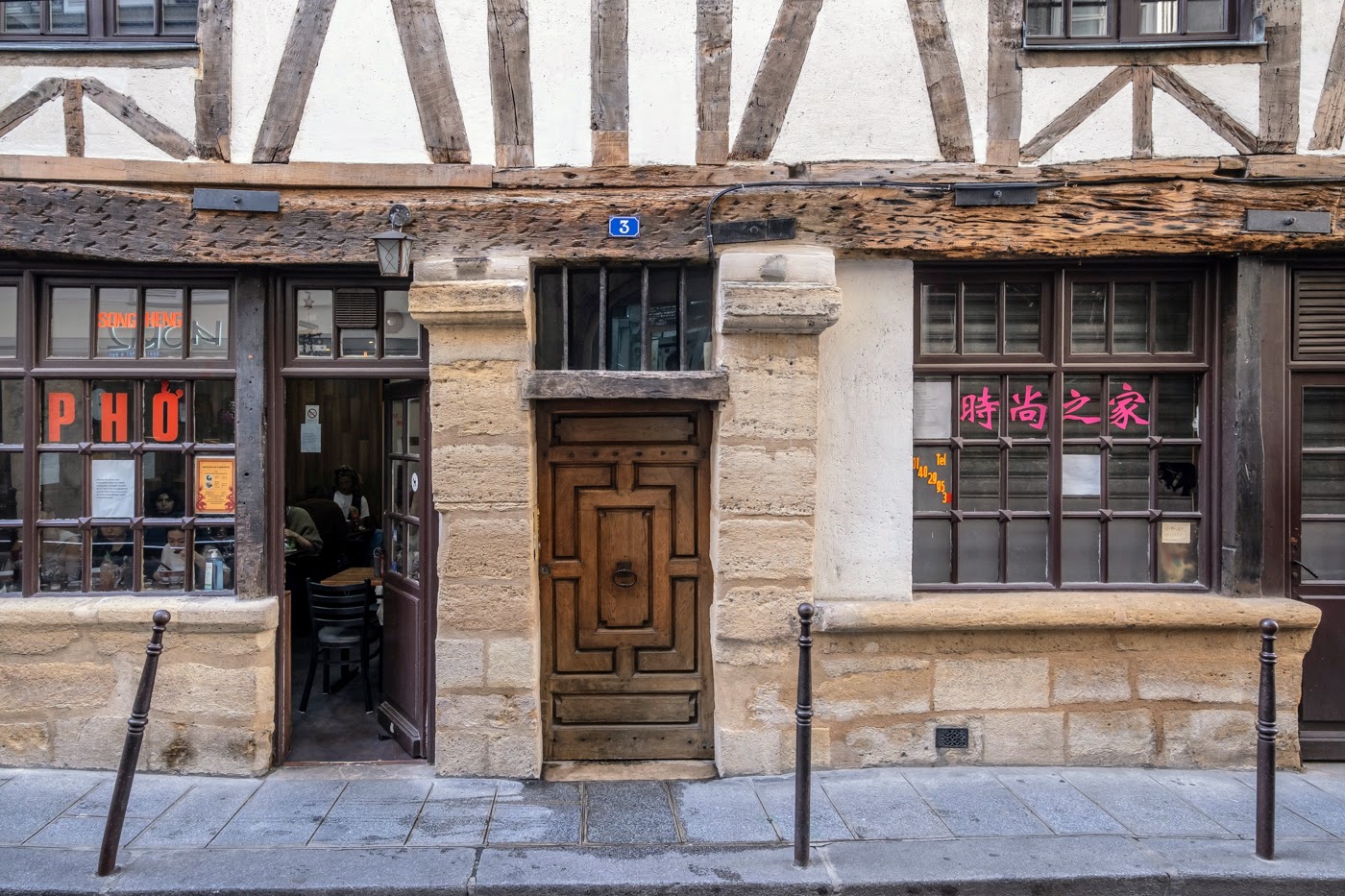
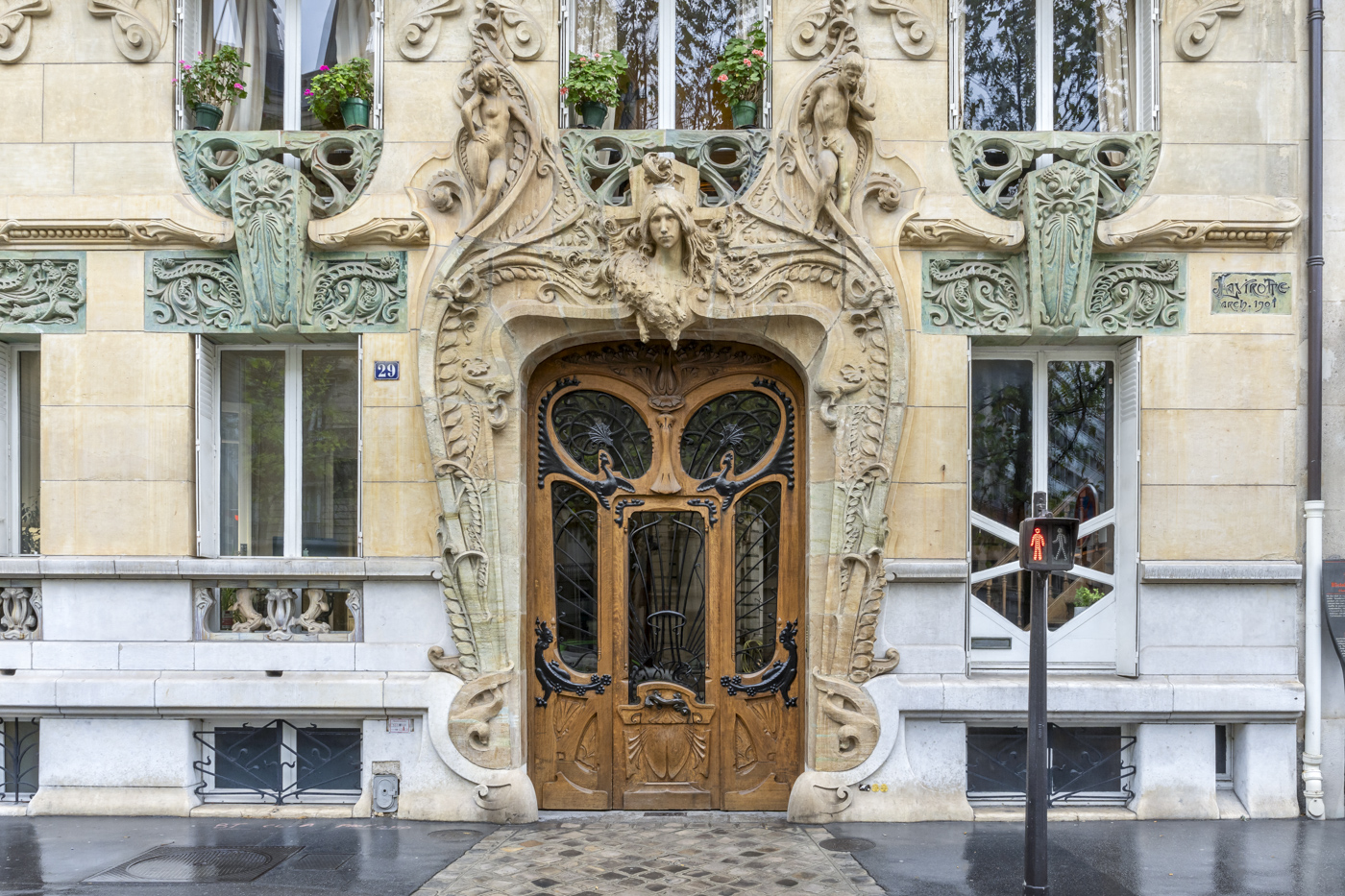
29, avenue Rapp (7th)
You're forced to stop for a few seconds as soon as you pass this door. Designed by architect Jules Lavirotte in 1901, it won a prize in the "Façades de la Ville" competition.
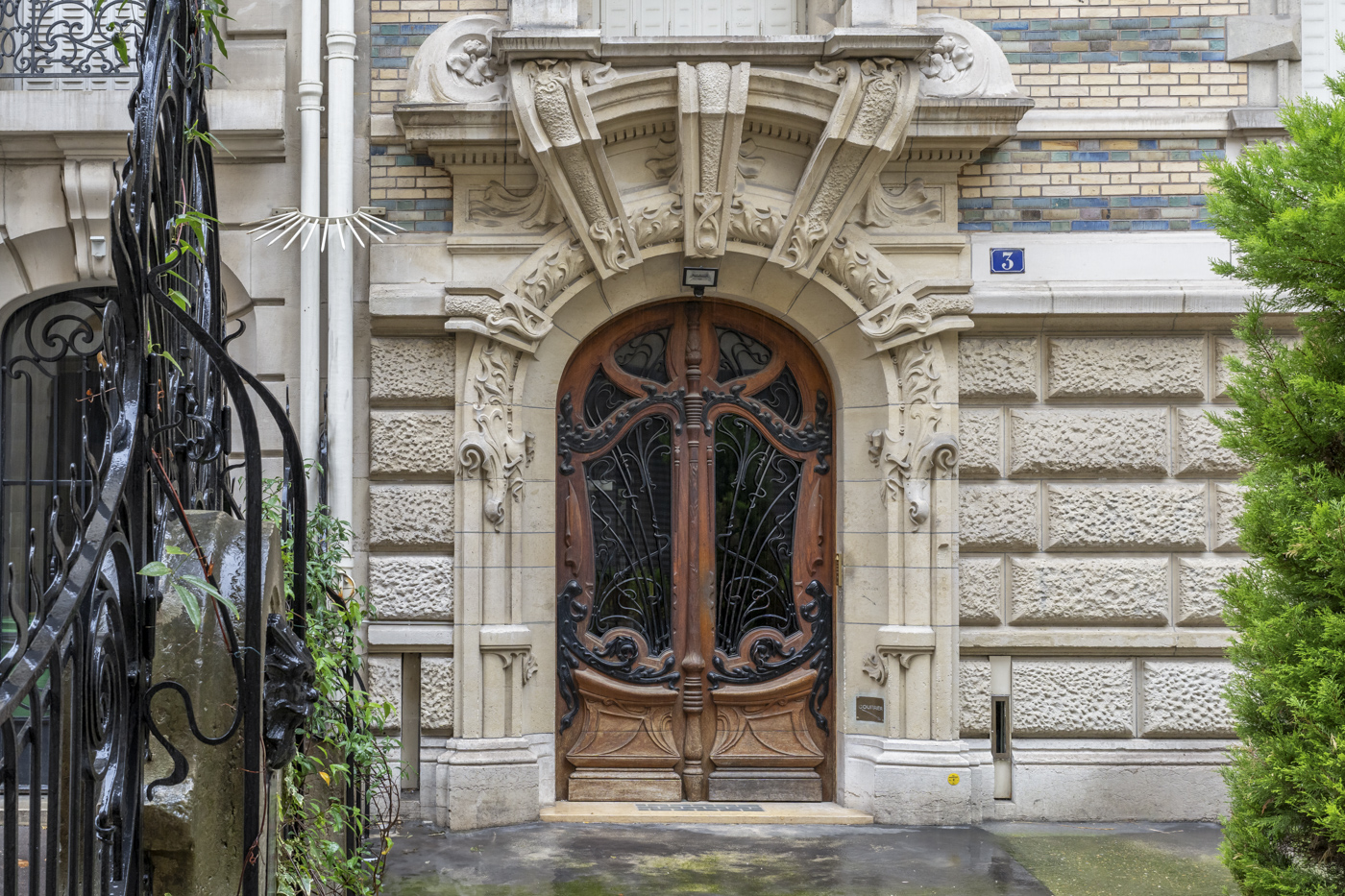
3, square Rapp (7th)
Jules Lavirotte also designed this door for a building where he lived with his family.
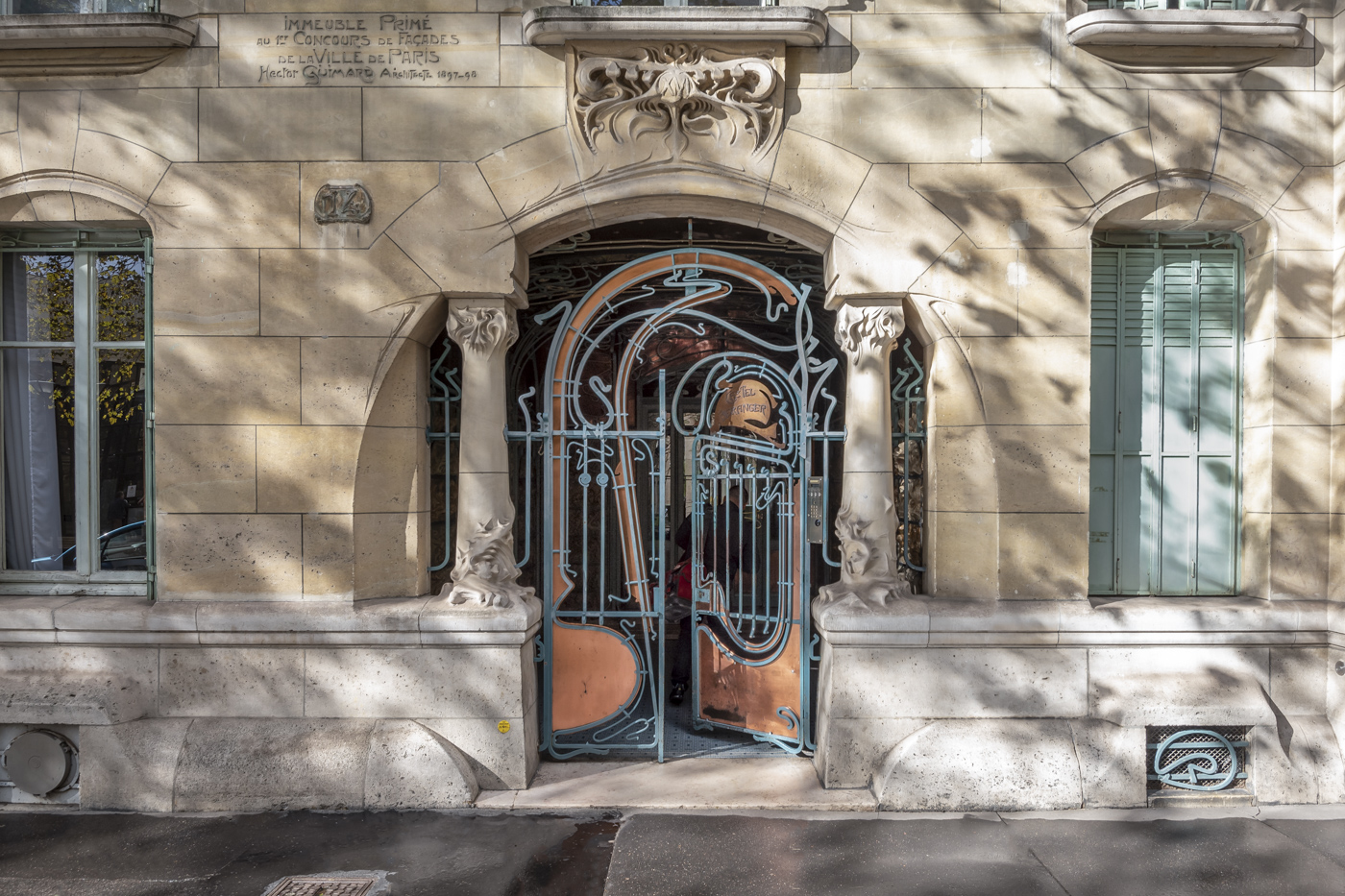
14, rue Jean de la Fontaine (16th)
This very Art Nouveau door was created at the end of the 19th century. It adorns the Castel Béranger, a private building whose plans are now on display at the Musée d'Orsay.
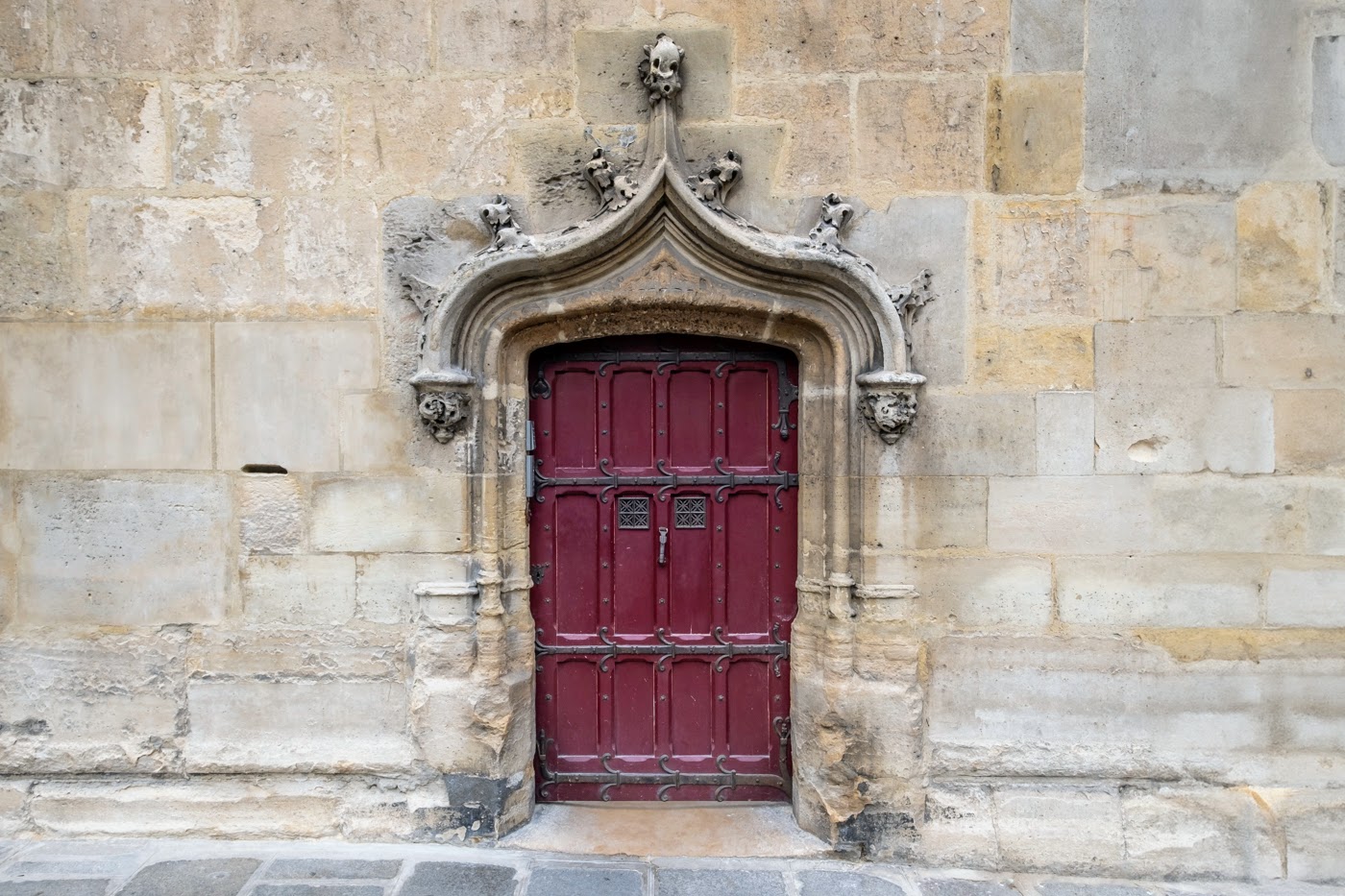
Place Paul Painlevé (5th)
This discreet little door actually hides the Hôtel des Abbés de Cluny, the Parisian museum dedicated to the medieval world. This entrance has been sealed off, and the door remains perpetually closed.
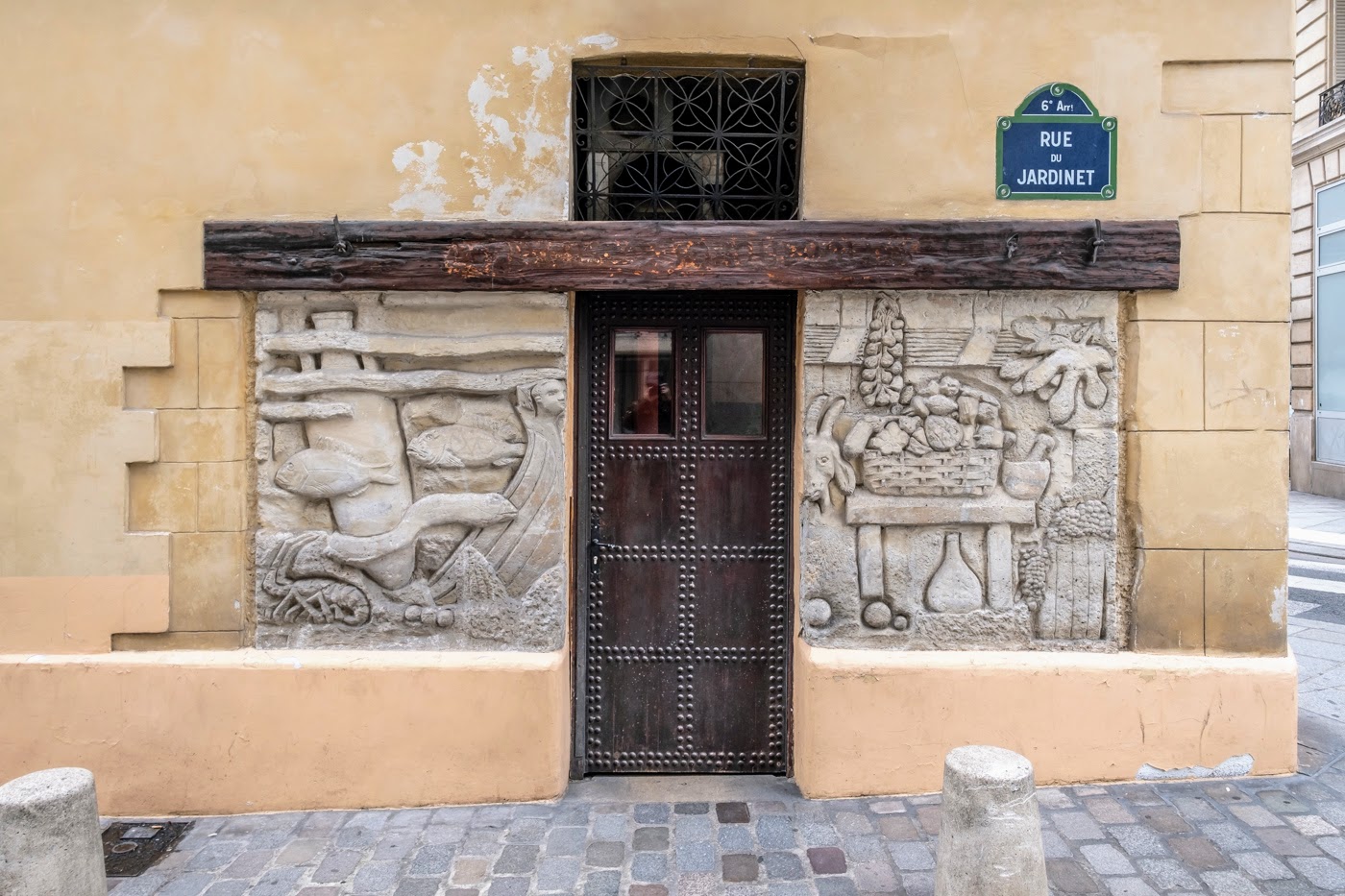
Rue du Jardinet (6th)
A bit like an Indiana Jones movie, you could imagine touching the goat's horns to reveal a subterranean world… But it's just a restaurant!
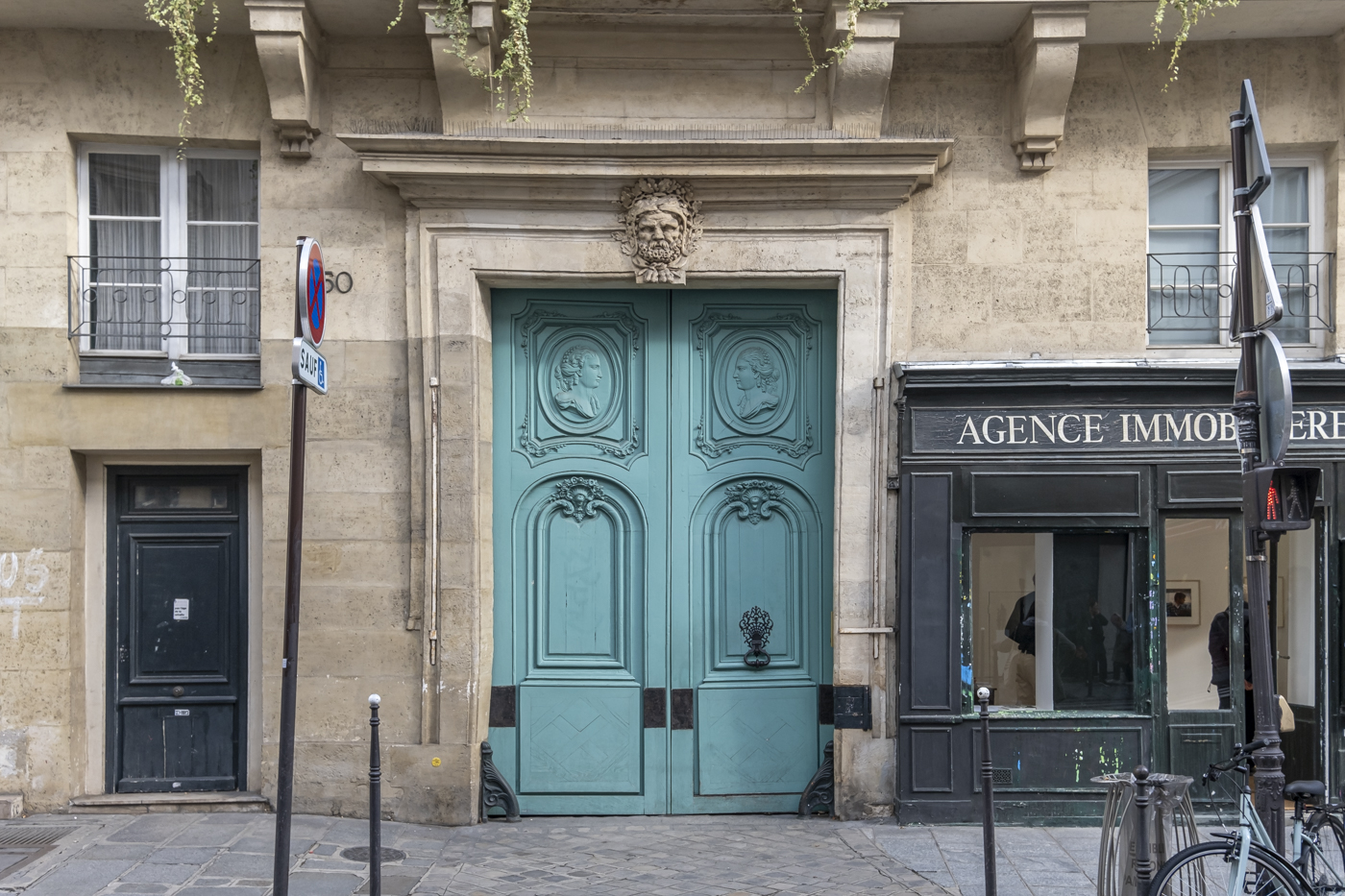
50, rue de Turenne (Paris Centre)
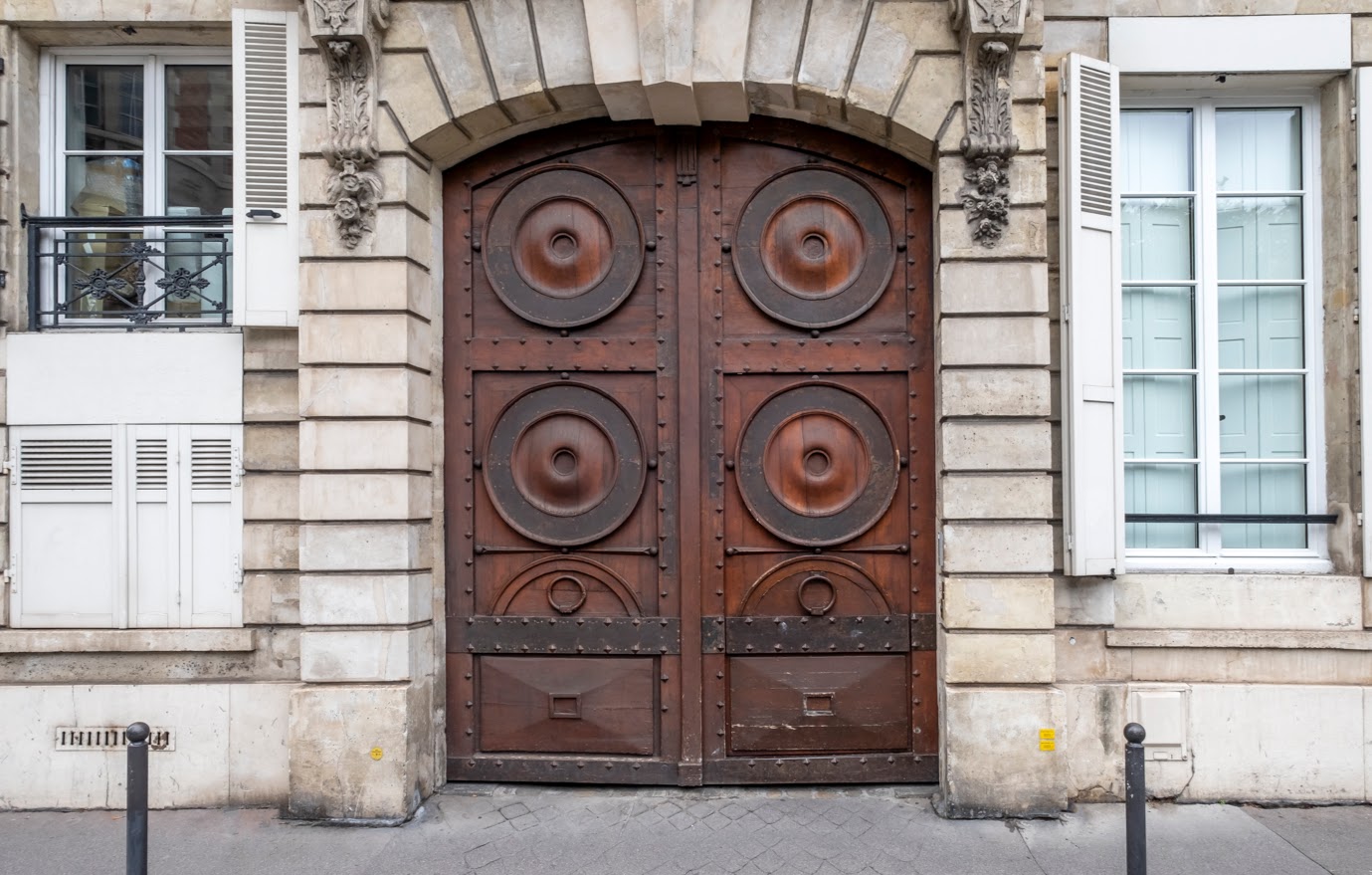
Nestled in the third arrondissement, this Louis XIV-inspired porte cochère often fascinates fashionistas in need of a colorful backdrop. It is said to conceal an 18th century mansion…
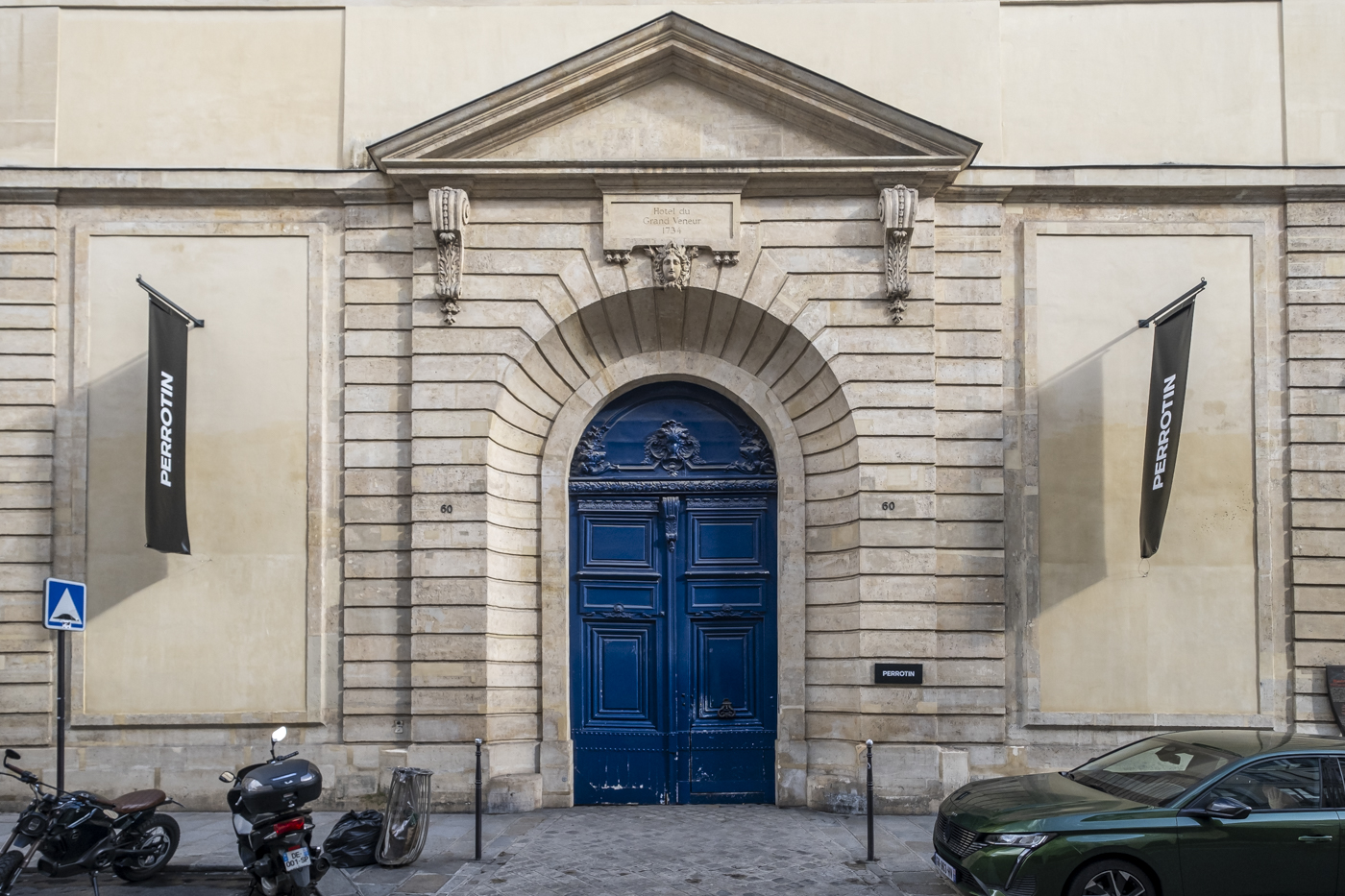
60, rue de Turenne (Paris Centre)
A few metres away, another door catches the eye: it belongs to the Galerie Perrotin, which has been based here since 2014. The building has been listed as a Historic Monument since 1927.
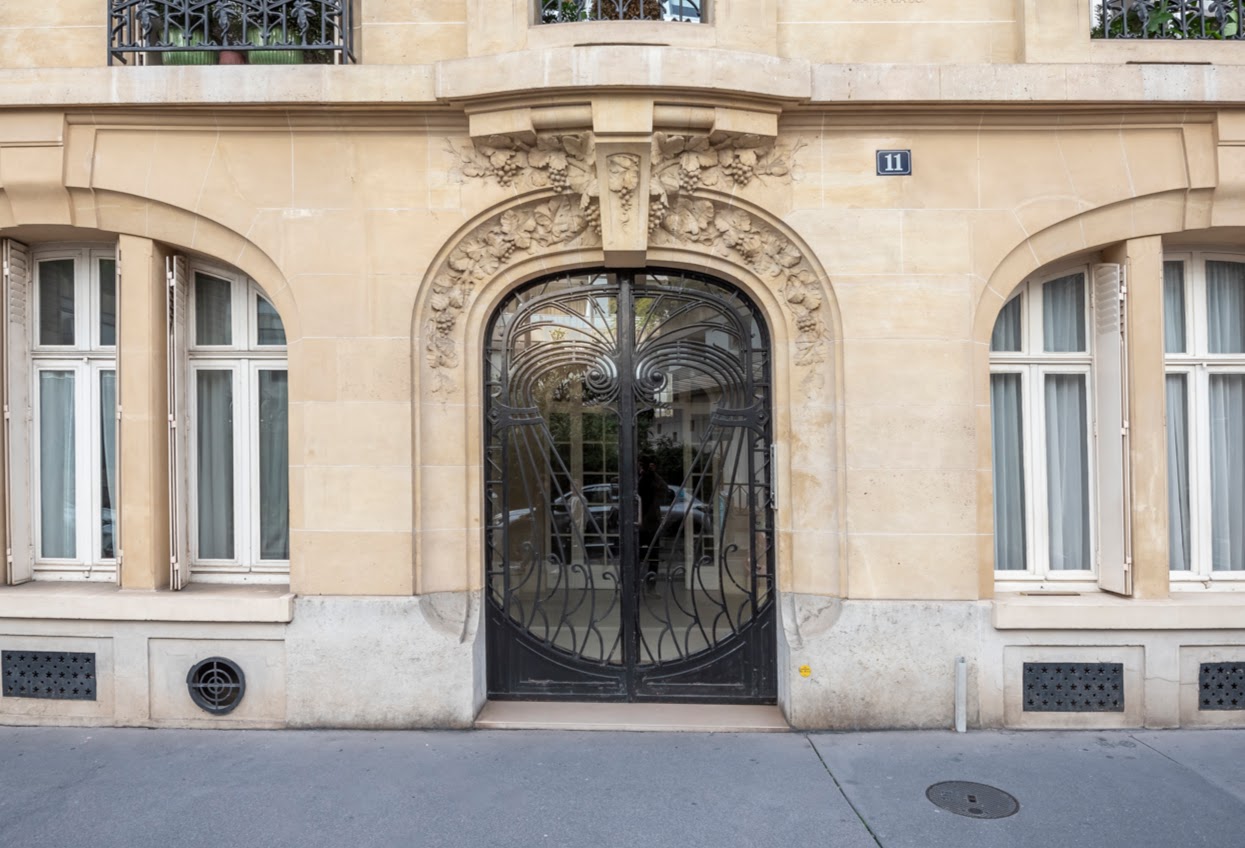
11, rue Chernoviz (16th)
In an Art Nouveau style, this door certainly intrigues. Is it a heart, two swans or an owl ?
58, rue de Vaugirard (6th)
Behind this door is the Guistel town house. Henri Boulay de la Meurthe, vice-president of the Second Republic in 1840, lived here. After him, the American Francis Scott Fitzgerald spent some time here with Zelda Sayre in the late 1930s.
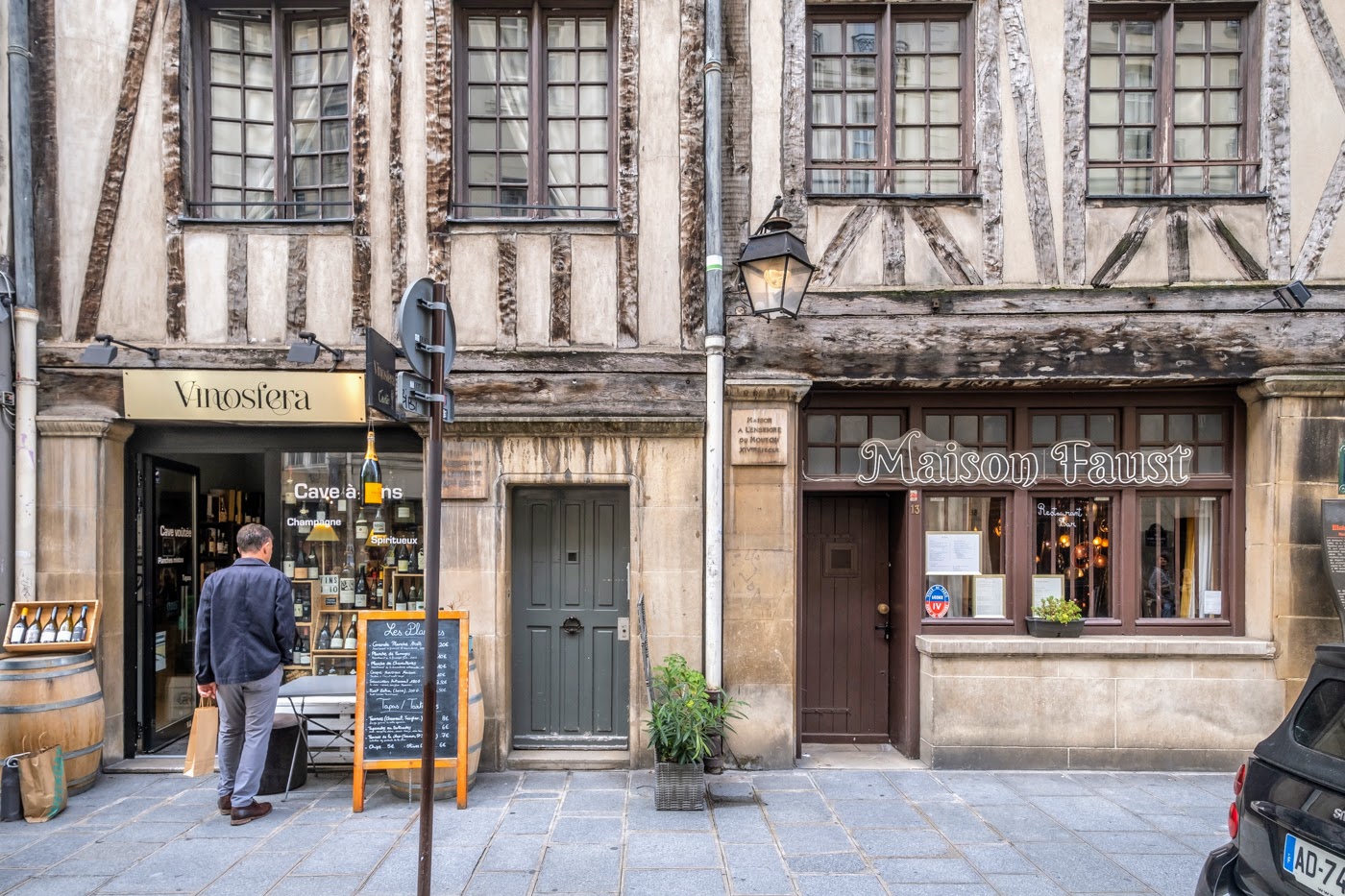
11, rue François Miron (Paris Centre)
See that little grey-green door on the left? It bears a plaque reading "À l'enseigne du Faucheur", dating from the 14th century.
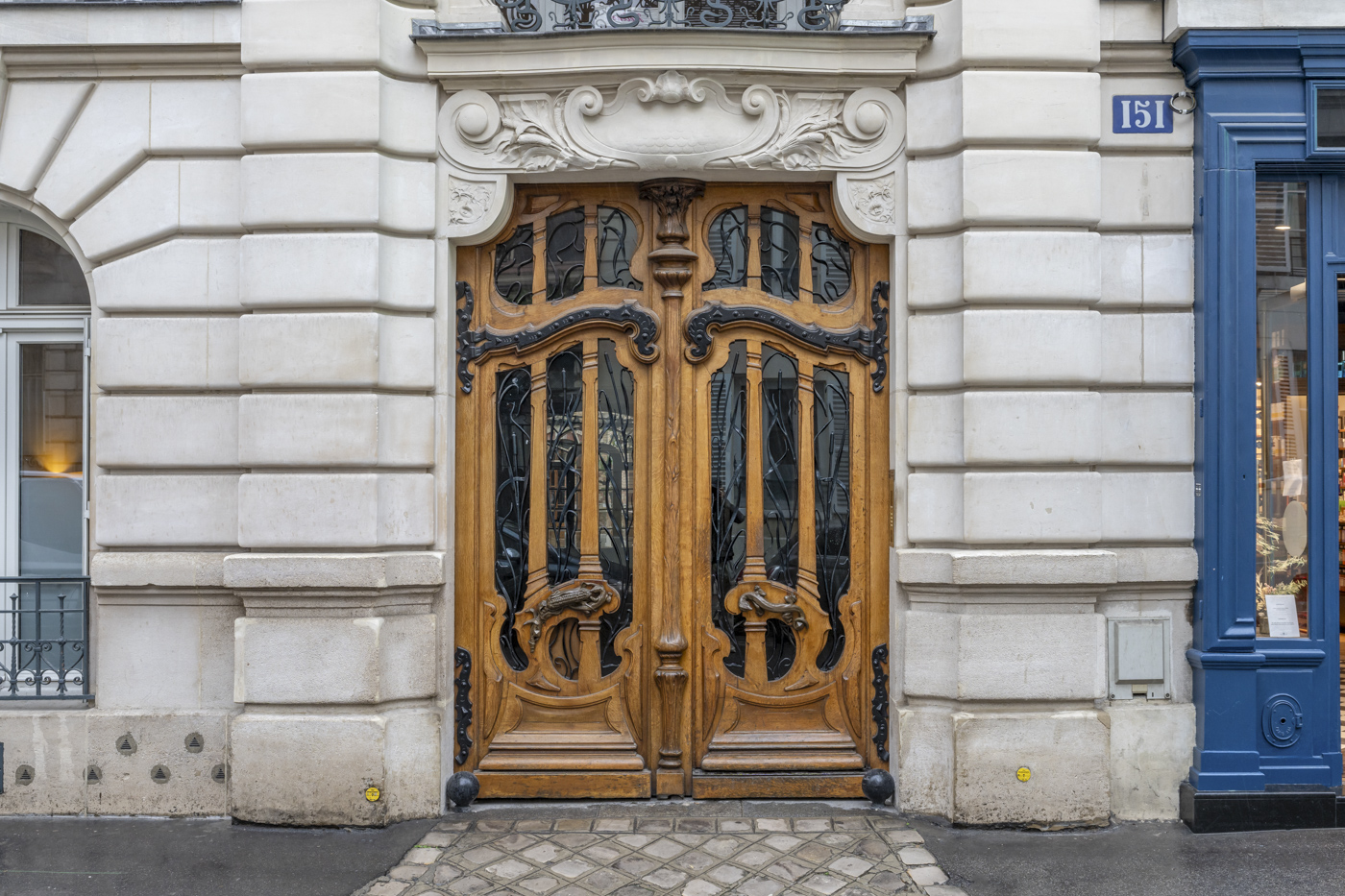
151, rue de Grenelle (7th)
Recognize it? This door is (again) the work of Jules Lavirotte. Less extravagant than its counterparts in the Rapp district (16th), it combines wood and wrought iron. If you come closer, you might even spot the salamander on the handle, nibbling on some corn!
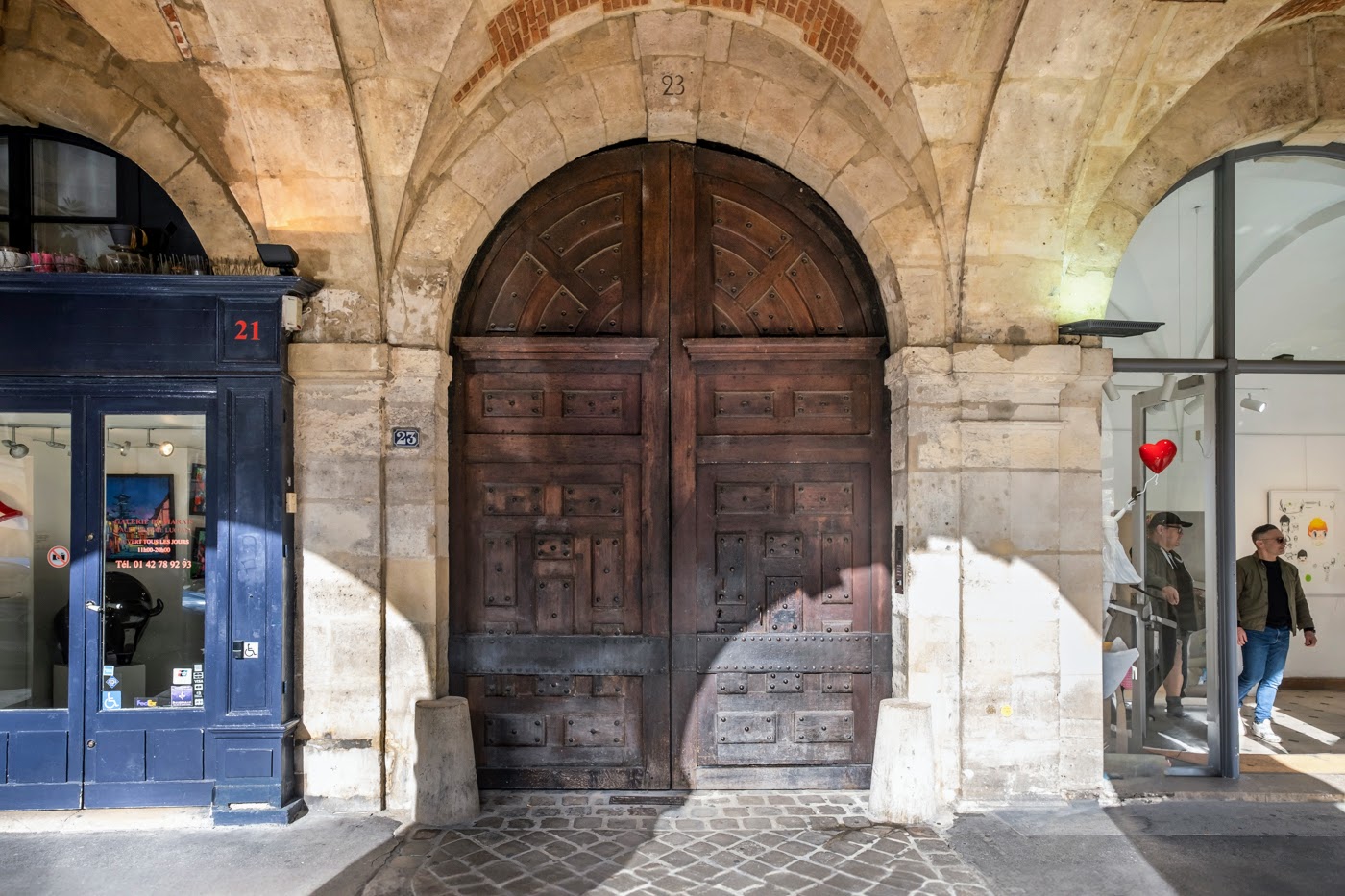
23, place des Vosges (Paris Centre)
On the Place des Vosges, there's this heavy, thick, rough-hewn wooden door. It's that of the Hôtel de Bassompierre, where the Cardinal de Richelieu lived in the 17th century. It has been listed as a Monument Historique since 1920.
Settings Text Html